Wasgamuwa National Park – A Haven for Wildlife and Nature Wasgamuwa National Park
Key Facts About Wasgamuwa National Park
📍 Location: Matale and Polonnaruwa Districts, Sri Lanka
🌿 Type: National Park and Wildlife Sanctuary
📅 Established: 1984
📏 Area: Approximately 393 Square Kilometers
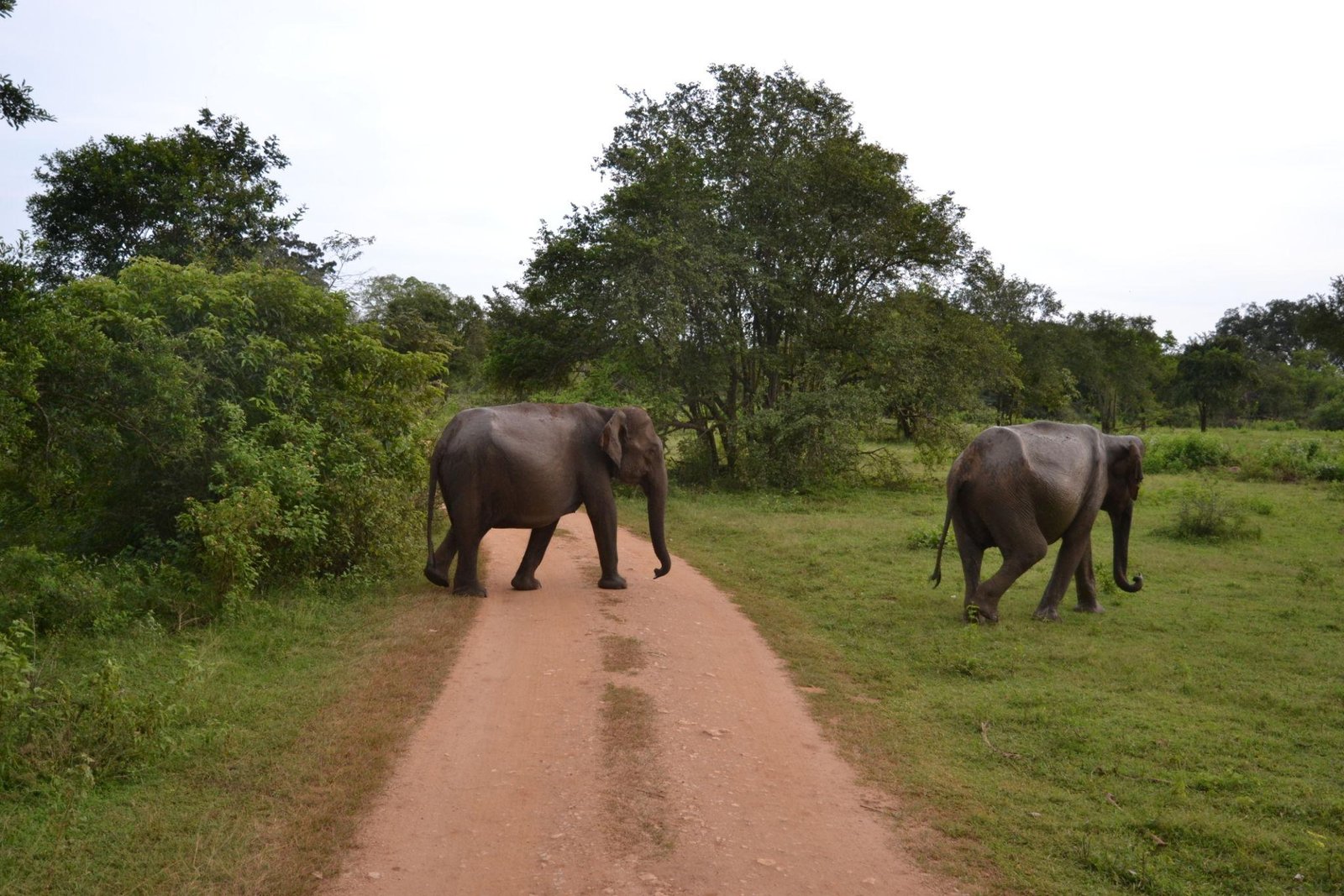
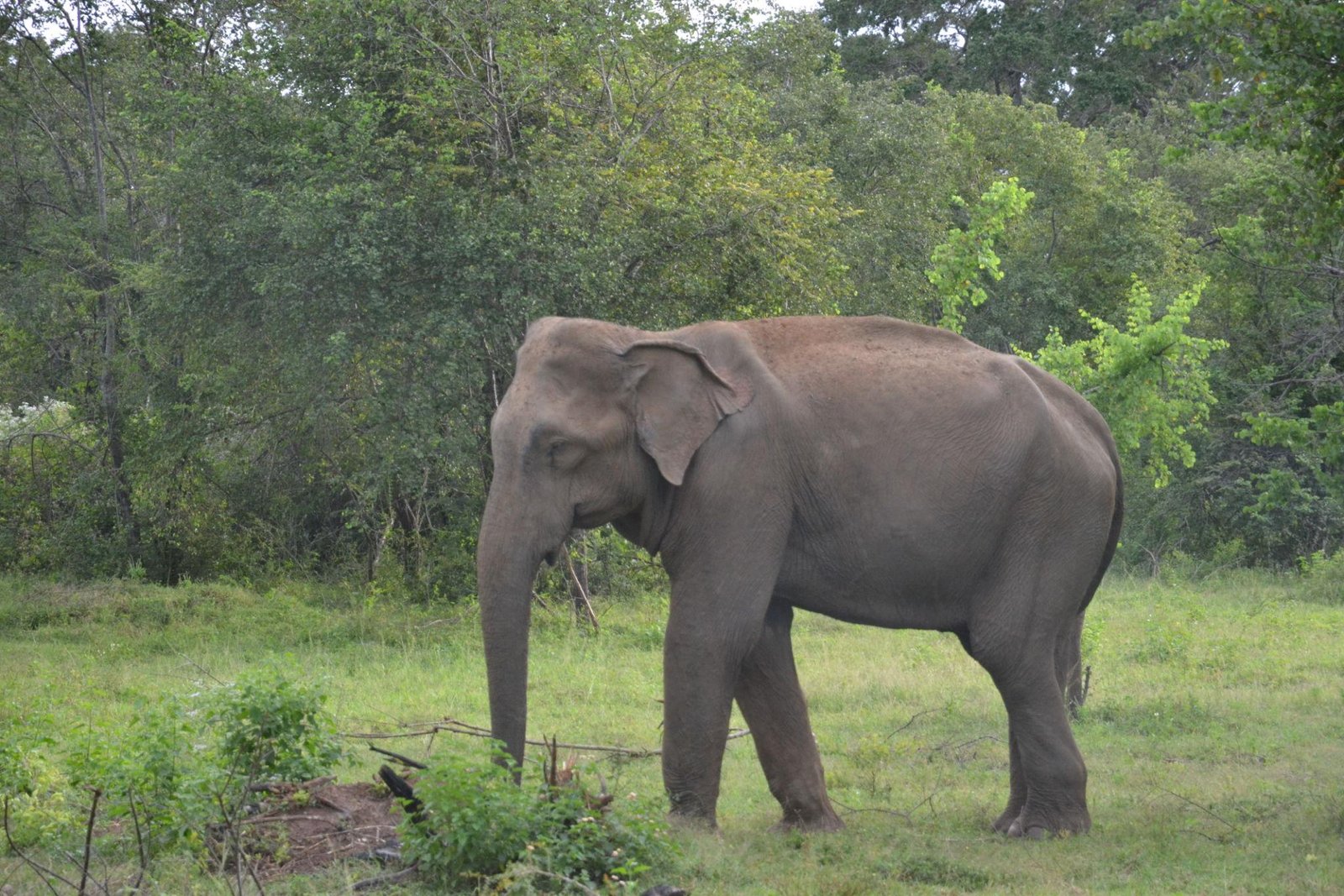
🐘 Famous for: Large Population of Sri Lankan Elephants
🐆 Wildlife: Leopards, Sloth Bears, Deer, Crocodiles, and Monkeys
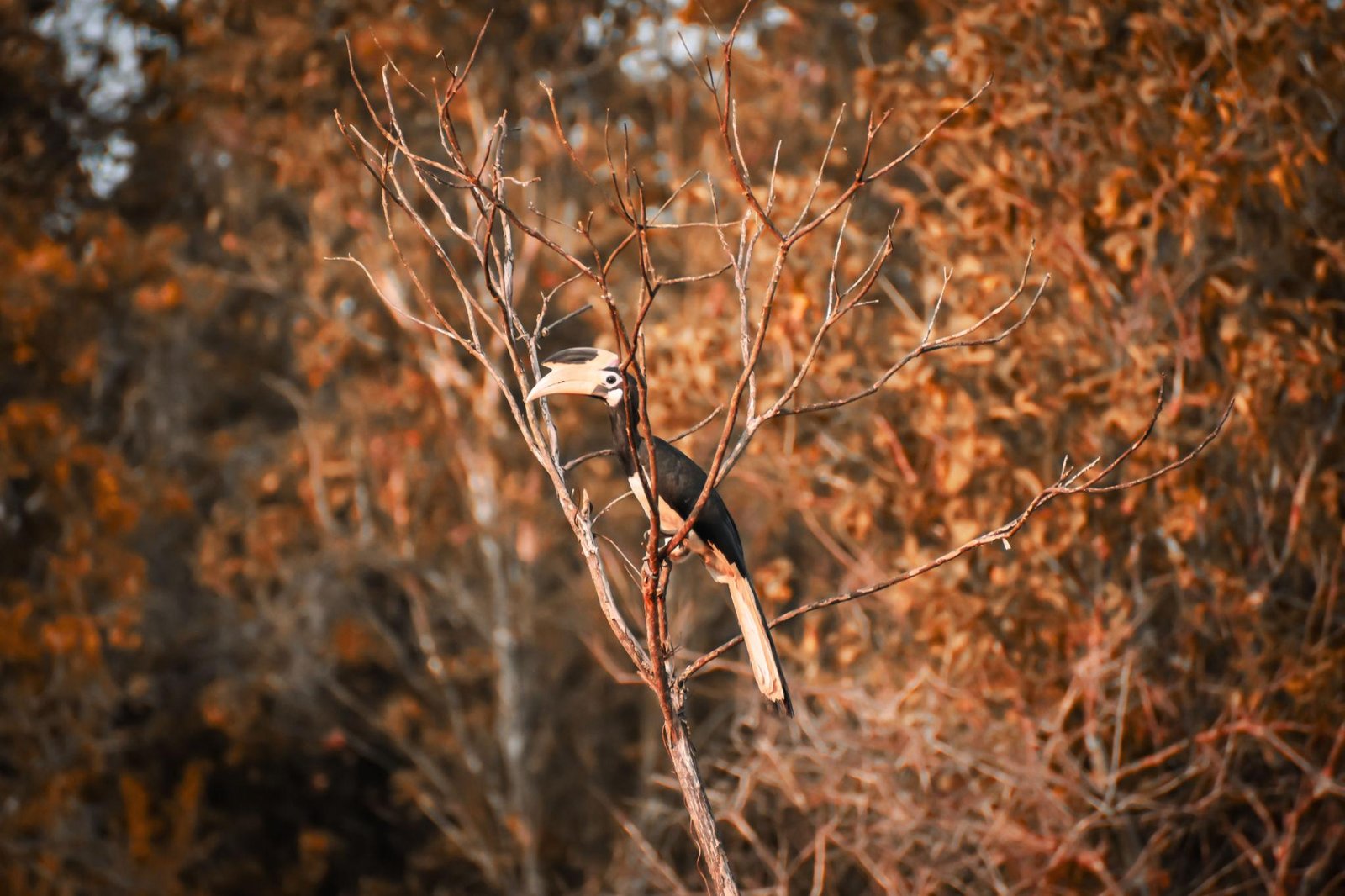
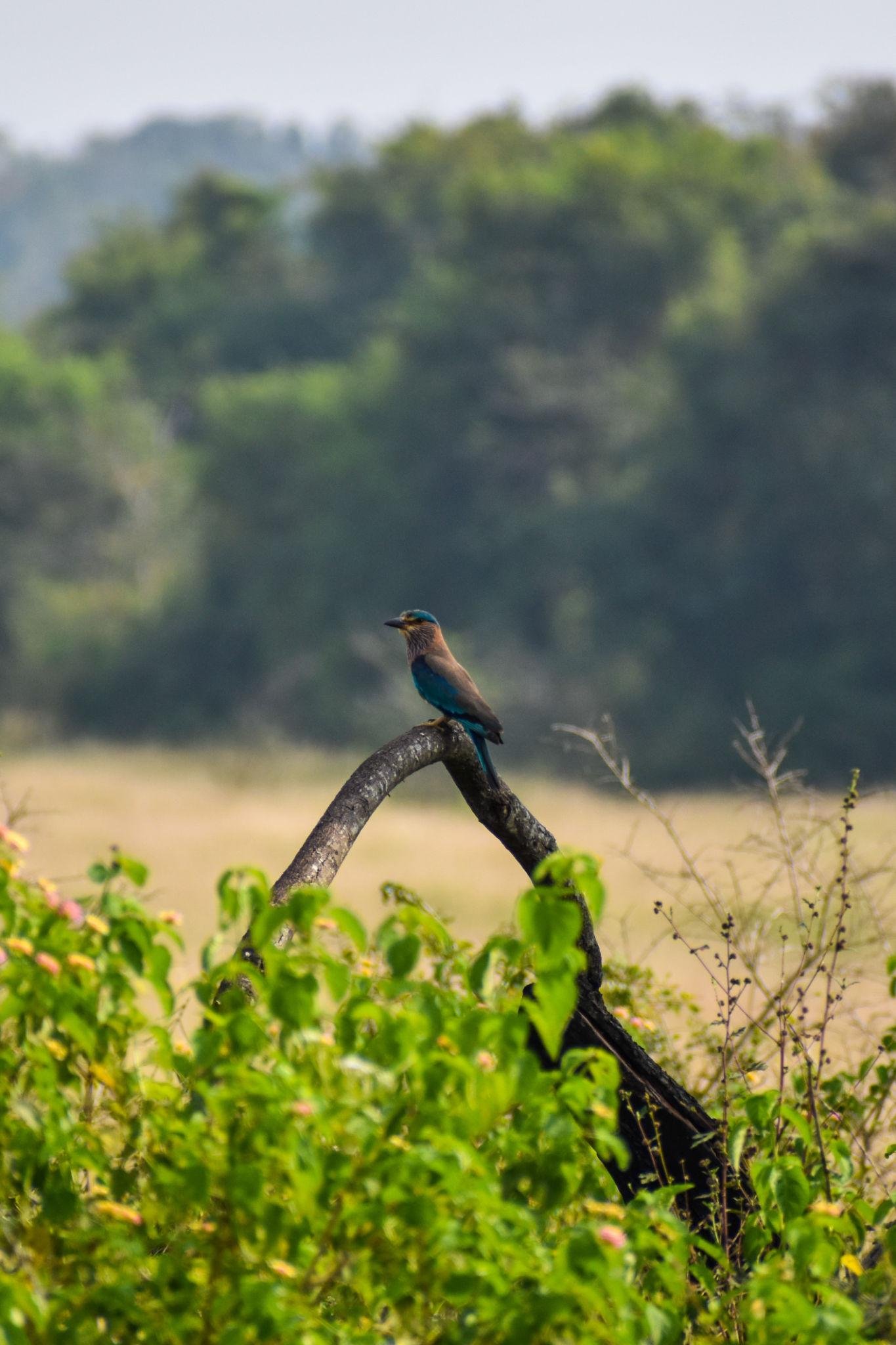
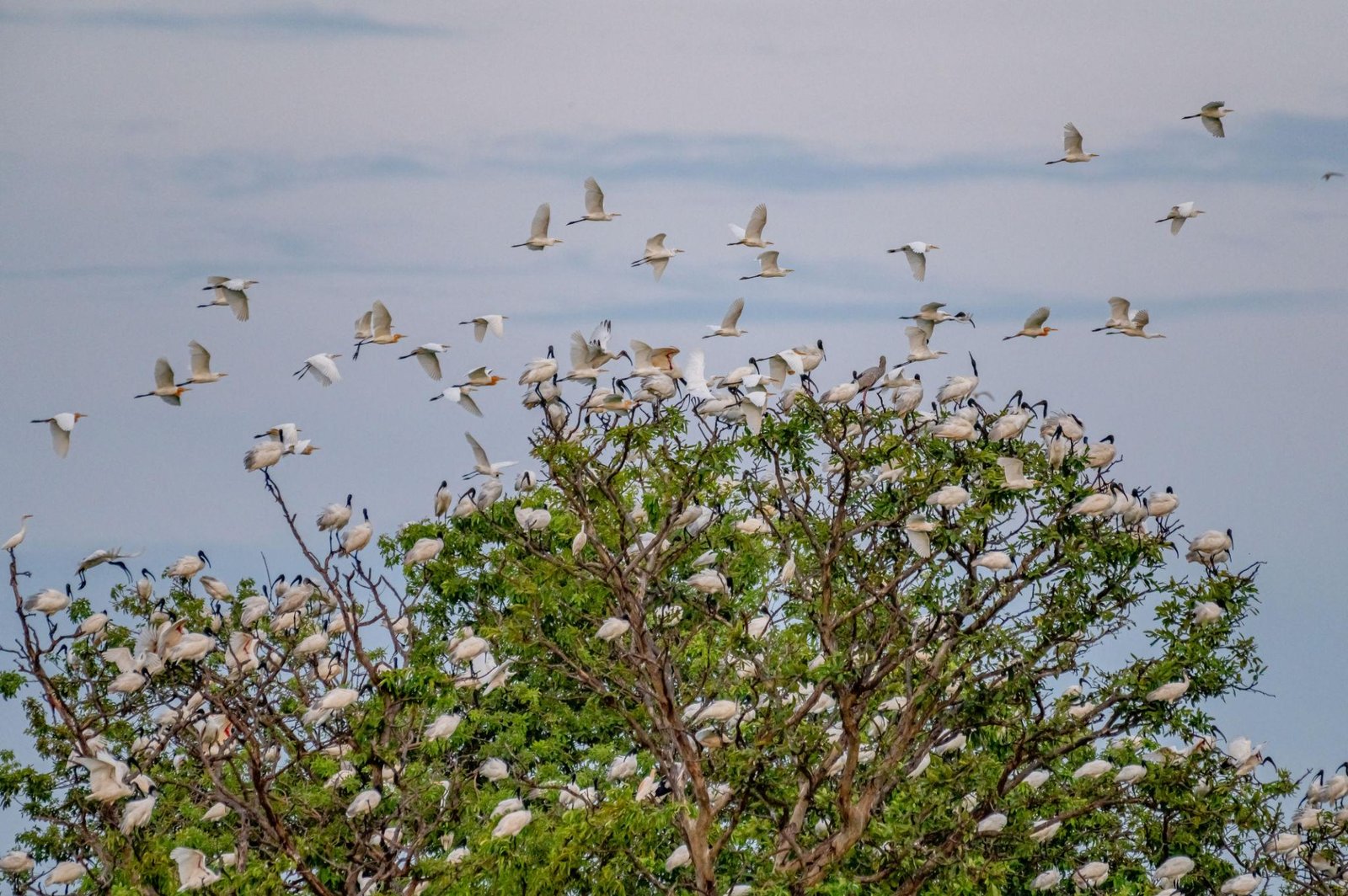
🐦 Bird Species: More than 140 Recorded Species
Wasgamuwa National Park – A Haven for Wildlife and Nature Wasgamuwa National Park
Key Facts About Wasgamuwa National Park
📍 Location: Matale and Polonnaruwa Districts, Sri Lanka
🌿 Type: National Park and Wildlife Sanctuary
📅 Established: 1984
📏 Area: Approximately 393 Square Kilometers
🐘 Famous for: Large Population of Sri Lankan Elephants
🐆 Wildlife: Leopards, Sloth Bears, Deer, Crocodiles, and Monkeys
🐦 Bird Species: More than 140 Recorded Species
is one of Sri Lanka’s most important wildlife sanctuaries, renowned for its rich biodiversity, large elephant population, and unspoiled natural landscapes. Located between the Matale and Polonnaruwa Districts, the park provides a safe habitat for numerous species of animals, birds, reptiles, and plants.
Established as a national park in 1984, Wasgamuwa was created primarily to protect wildlife displaced by the Mahaweli Development Project. Covering an area of approximately 393 square kilometers, the park consists of tropical dry-zone forests, grasslands, wetlands, and river ecosystems that support a diverse range of wildlife.
Wasgamuwa is particularly famous for its large herds of Sri Lankan elephants, which can often be seen roaming freely throughout the park. Other wildlife species include Sri Lankan leopards, sloth bears, spotted deer, water buffalo, crocodiles, and various monkey species. The park is also a paradise for birdwatchers, with over 140 species of birds recorded within its boundaries.
The park is traversed by the Mahaweli and Amban rivers, which provide water throughout the year and contribute to the area’s ecological richness. Visitors can enjoy jeep safaris, wildlife photography, birdwatching, and nature exploration while experiencing one of Sri Lanka’s most pristine natural environments.