Polonnaruwa – The Ancient Medieval Capital of Sri Lanka
Key Facts About Polonnaruwa
📍 Location: North Central Province, Sri Lanka
👑 Known as: Second Ancient Capital of Sri Lanka
🗿 Famous for: Gal Vihara and Ancient Ruins
🌍 Status: UNESCO World Heritage Site
📅 Golden Age: 11th–12th Century CE
💧 Engineering Marvel: Parakrama Samudra Reservoir
🏛 Top Attractions: Gal Vihara, Royal Palace, Quadrangle, and Rankoth Vehera
🙏 Significance: One of Sri Lanka’s Most Important Archaeological Sites
Polonnaruwa – The Ancient Medieval Capital of Sri Lanka
Key Facts About Polonnaruwa
📍 Location: North Central Province, Sri Lanka
👑 Known as: Second Ancient Capital of Sri Lanka
🗿 Famous for: Gal Vihara and Ancient Ruins
🌍 Status: UNESCO World Heritage Site
📅 Golden Age: 11th–12th Century CE
💧 Engineering Marvel: Parakrama Samudra Reservoir
🏛 Top Attractions: Gal Vihara, Royal Palace, Quadrangle, and Rankoth Vehera
🙏 Significance: One of Sri Lanka’s Most Important Archaeological Sites
Polonnaruwa is one of Sri Lanka’s most remarkable archaeological treasures and a UNESCO World Heritage Site, renowned for its well-preserved ancient ruins, impressive monuments, and rich cultural heritage. Located in the North Central Province, Polonnaruwa served as the island’s second historical capital after Anuradhapura and flourished as a center of political, religious, and economic activity during the 11th and 12th centuries.
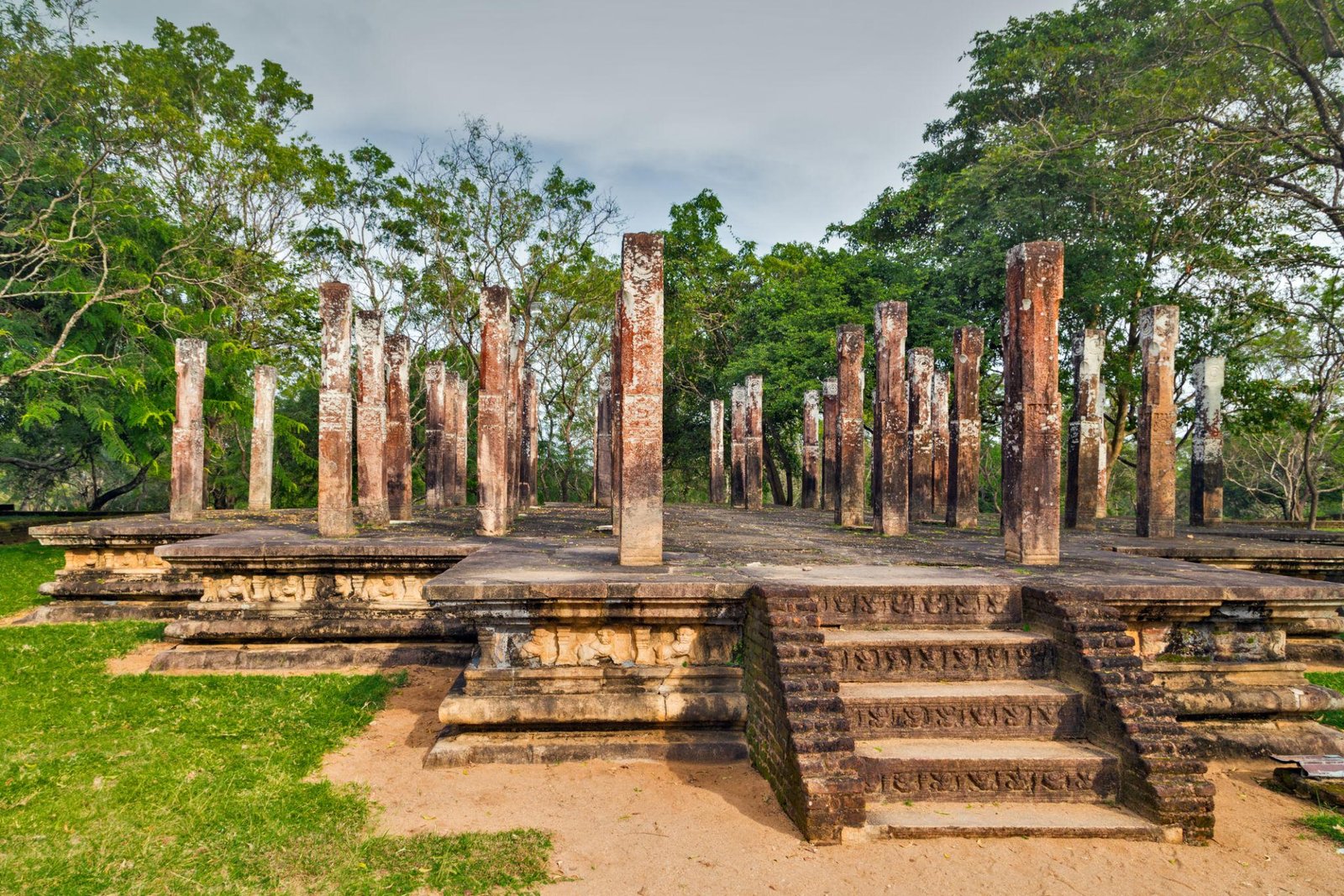
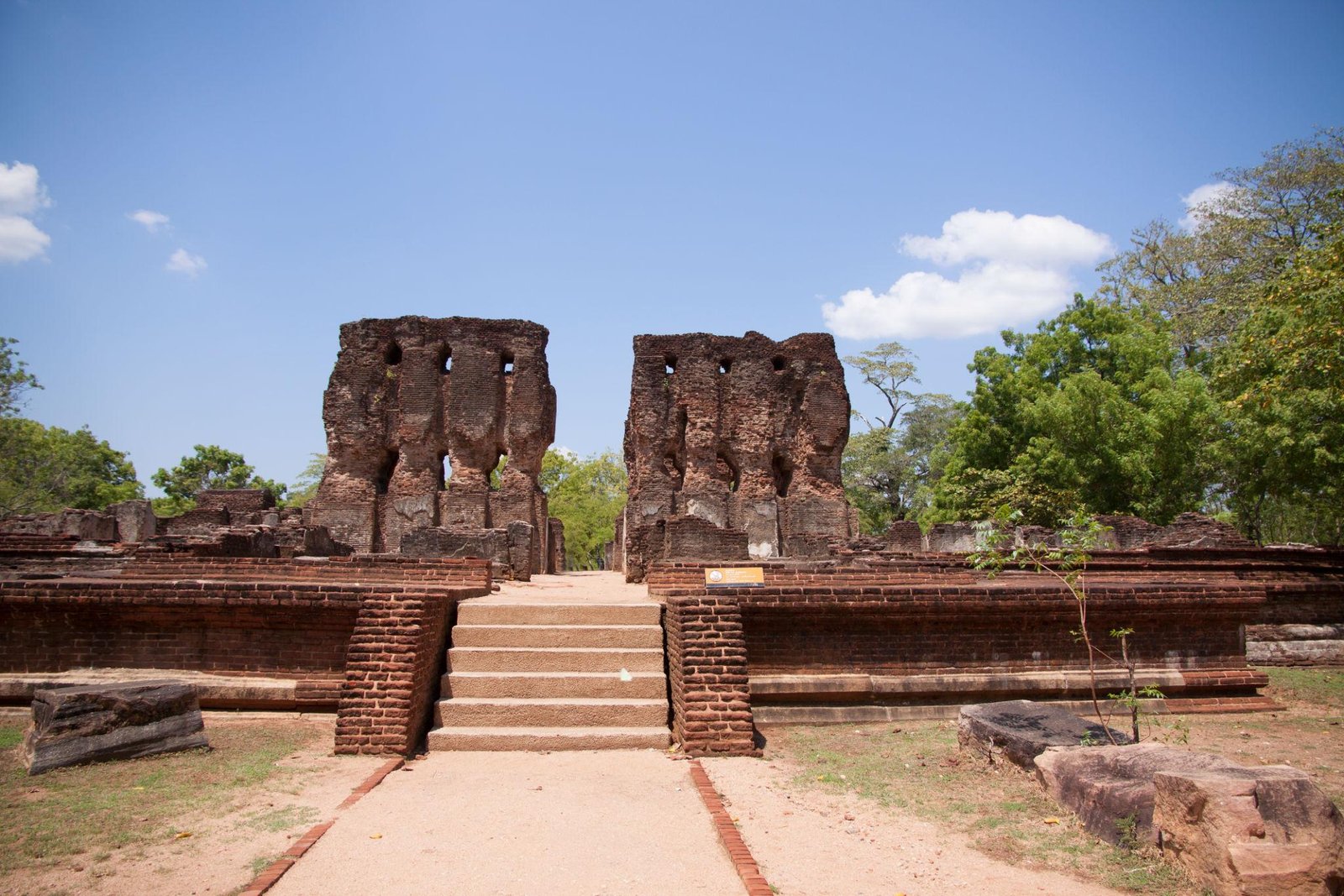
The city reached its golden age during the reign of King Parakramabahu I, who transformed Polonnaruwa into a thriving kingdom known for its advanced irrigation systems, magnificent architecture, and prosperous society. Today, visitors can explore the extensive archaeological park, which contains royal palaces, ancient temples, monasteries, statues, and reservoirs that showcase the brilliance of Sri Lanka’s medieval civilization.
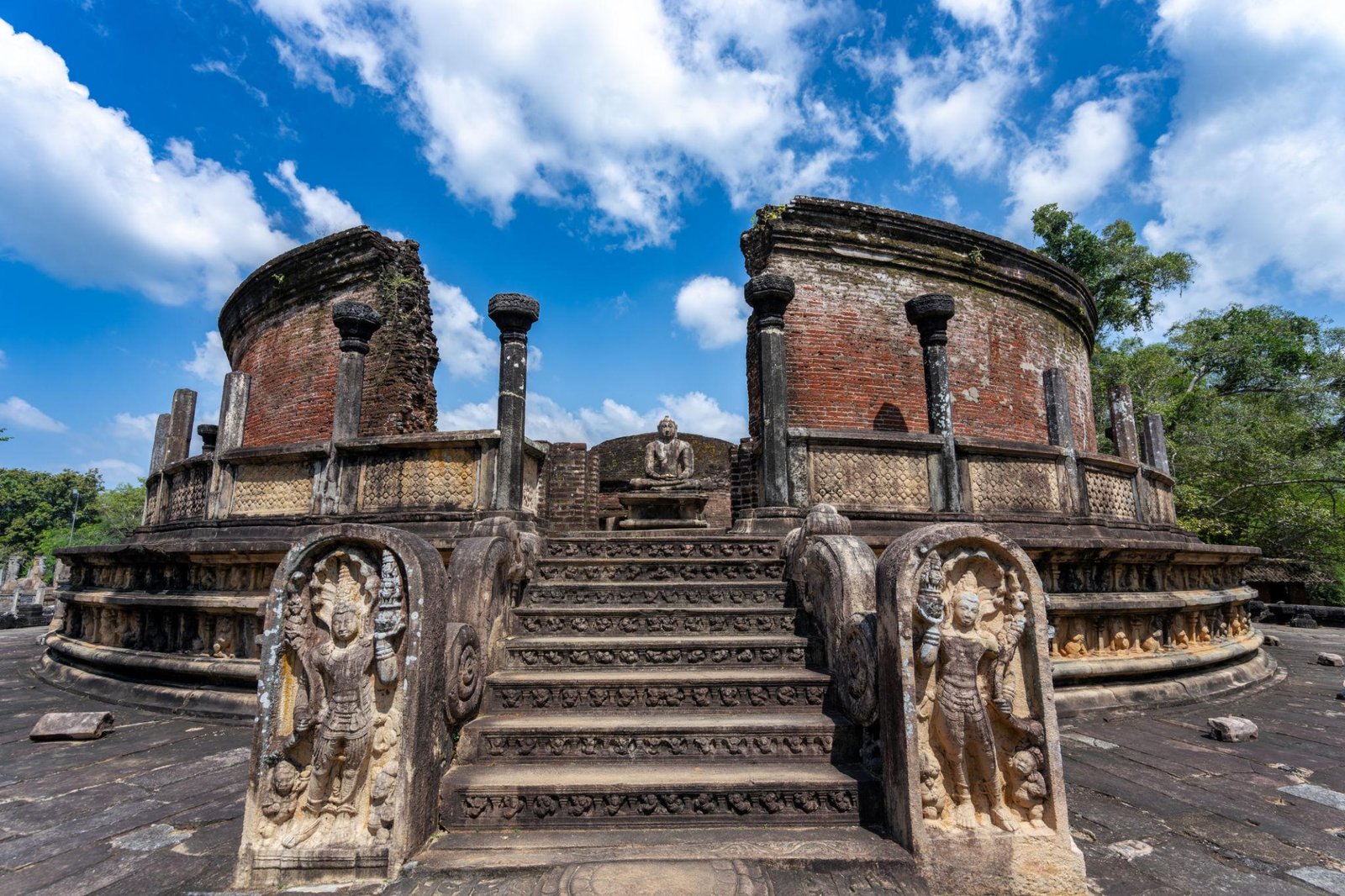
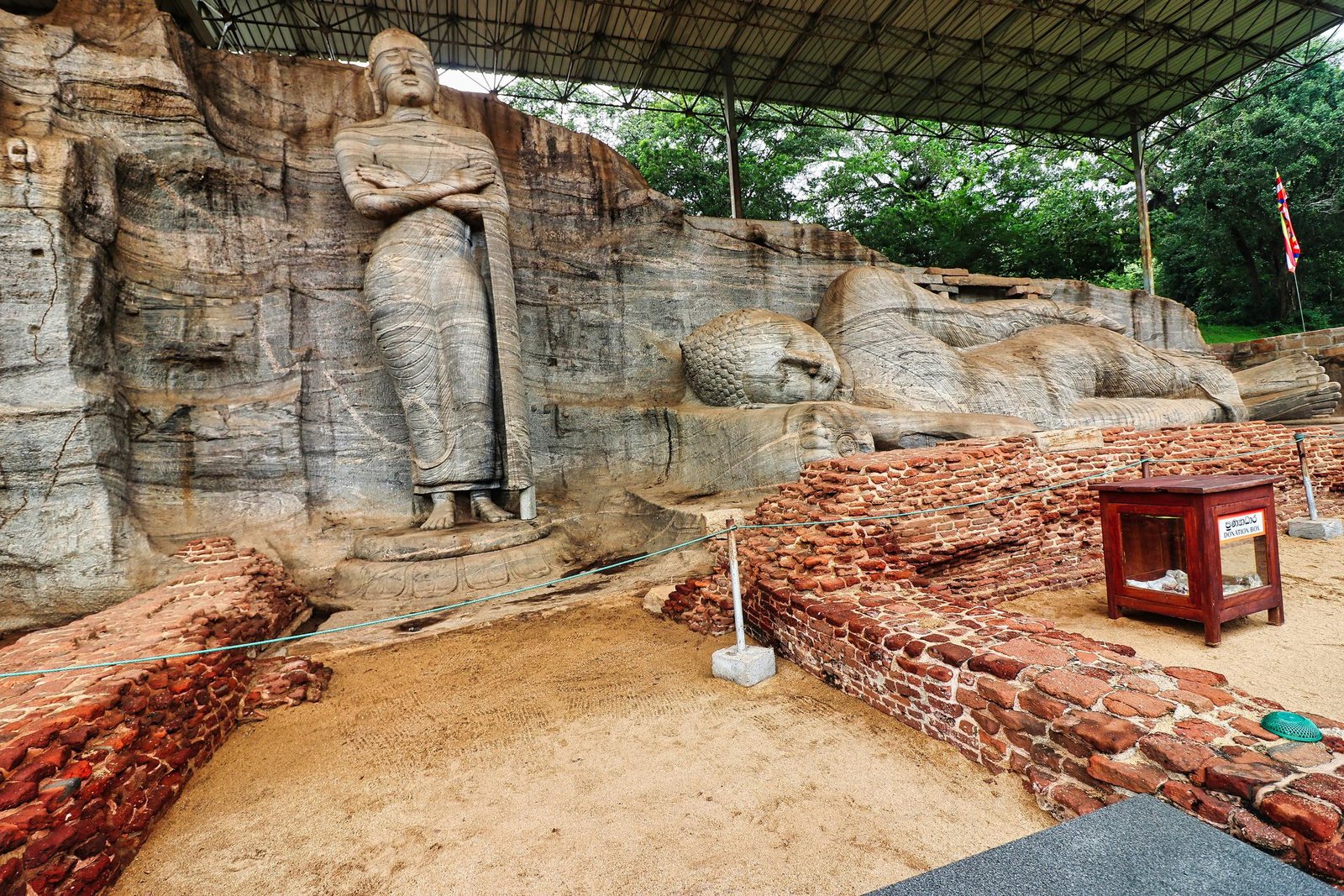
One of the most famous attractions in Polonnaruwa is the Gal Vihara, a stunning rock temple featuring four magnificent Buddha statues carved from a single granite rock. Visitors can also explore the ruins of the Royal Palace of King Parakramabahu, the sacred Quadrangle, the impressive Rankoth Vehera, and the ancient monastic complexes that once housed thousands of Buddhist monks. The city’s well-preserved structures provide a fascinating glimpse into the grandeur of Sri Lanka’s medieval kingdom.
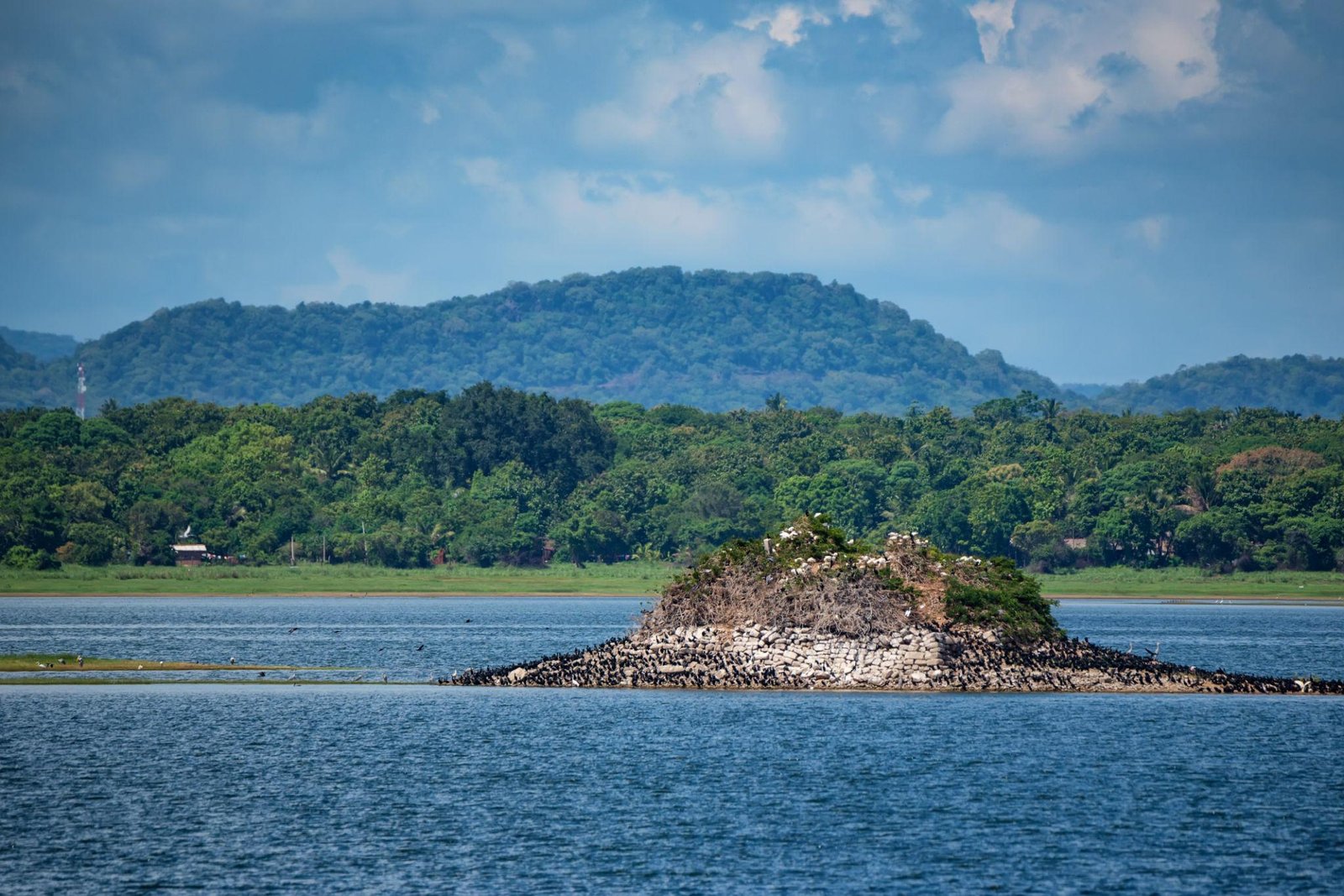
Another highlight of Polonnaruwa is the vast Parakrama Samudra, a massive man-made reservoir built by King Parakramabahu I. This engineering marvel continues to support agriculture in the region and stands as a testament to the advanced hydraulic knowledge of ancient Sri Lankan engineers. The surrounding area is also rich in wildlife, with opportunities to spot monkeys, deer, birds, and elephants near the archaeological sites.
Today, Polonnaruwa attracts history enthusiasts, pilgrims, photographers, and travelers from around the world. Its combination of ancient monuments, cultural significance, and natural beauty makes it one of Sri Lanka’s most important and rewarding destinations to explore.