Dambulla – The Golden Cave Temple of Sri Lanka
Key Facts About Dambulla
📍 Location: Matale District, Central Province, Sri Lanka
🏛 Built by: King Valagamba (Vattagamani Abhaya)
🪨 Type: Ancient Cave Temple Complex
🛕 Famous for: Buddhist Cave Temples, Murals, and Buddha Statues
🎨 Features: Over 150 Buddha Statues and Extensive Wall Paintings
🌍 Status: UNESCO World Heritage Site
📅 Established: 1st Century BCE
⛰ Elevation: Approximately 160 meters above surrounding plains
Dambulla – The Golden Cave Temple of Sri Lanka
Key Facts About Dambulla
📍 Location: Matale District, Central Province, Sri Lanka
🏛 Built by: King Valagamba (Vattagamani Abhaya)
🪨 Type: Ancient Cave Temple Complex
🛕 Famous for: Buddhist Cave Temples, Murals, and Buddha Statues
🎨 Features: Over 150 Buddha Statues and Extensive Wall Paintings
🌍 Status: UNESCO World Heritage Site
📅 Established: 1st Century BCE
⛰ Elevation: Approximately 160 meters above surrounding plains
is one of Sri Lanka’s most important cultural and religious destinations, renowned for its magnificent cave temple complex and rich historical heritage. Located in the Central Province, Dambulla has served as a sacred pilgrimage site for over two thousand years and is a key part of Sri Lanka’s Cultural Triangle.
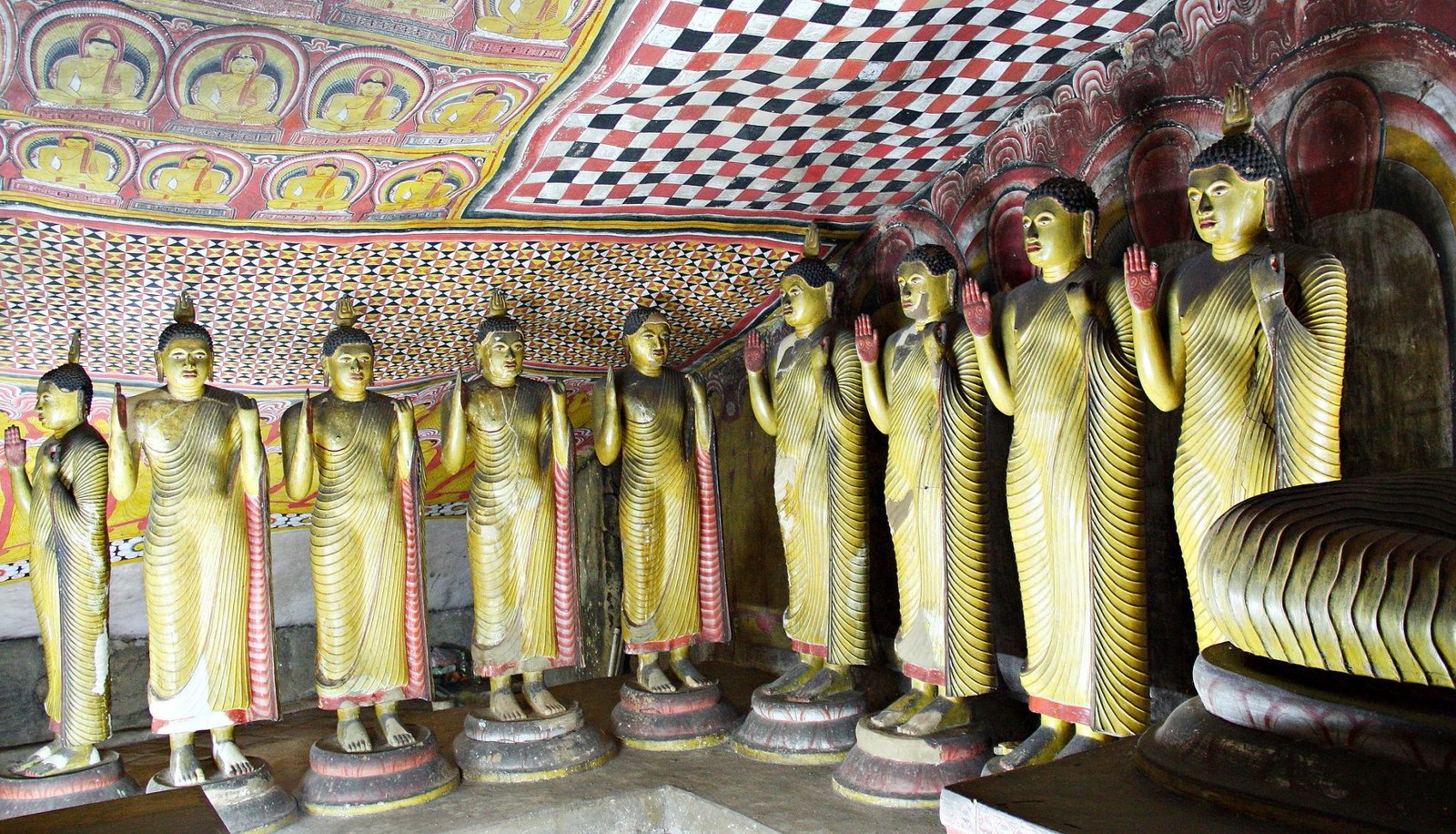
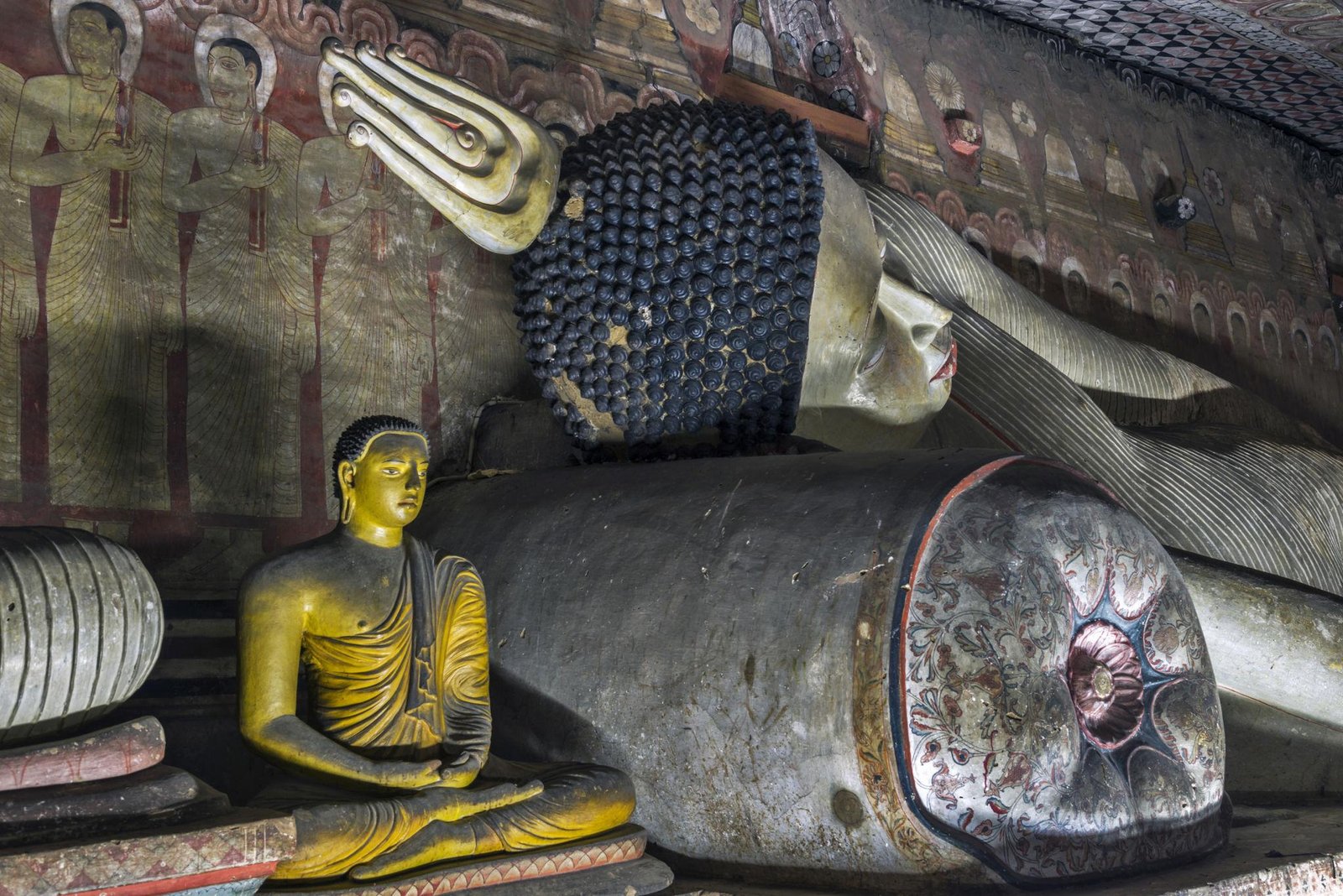
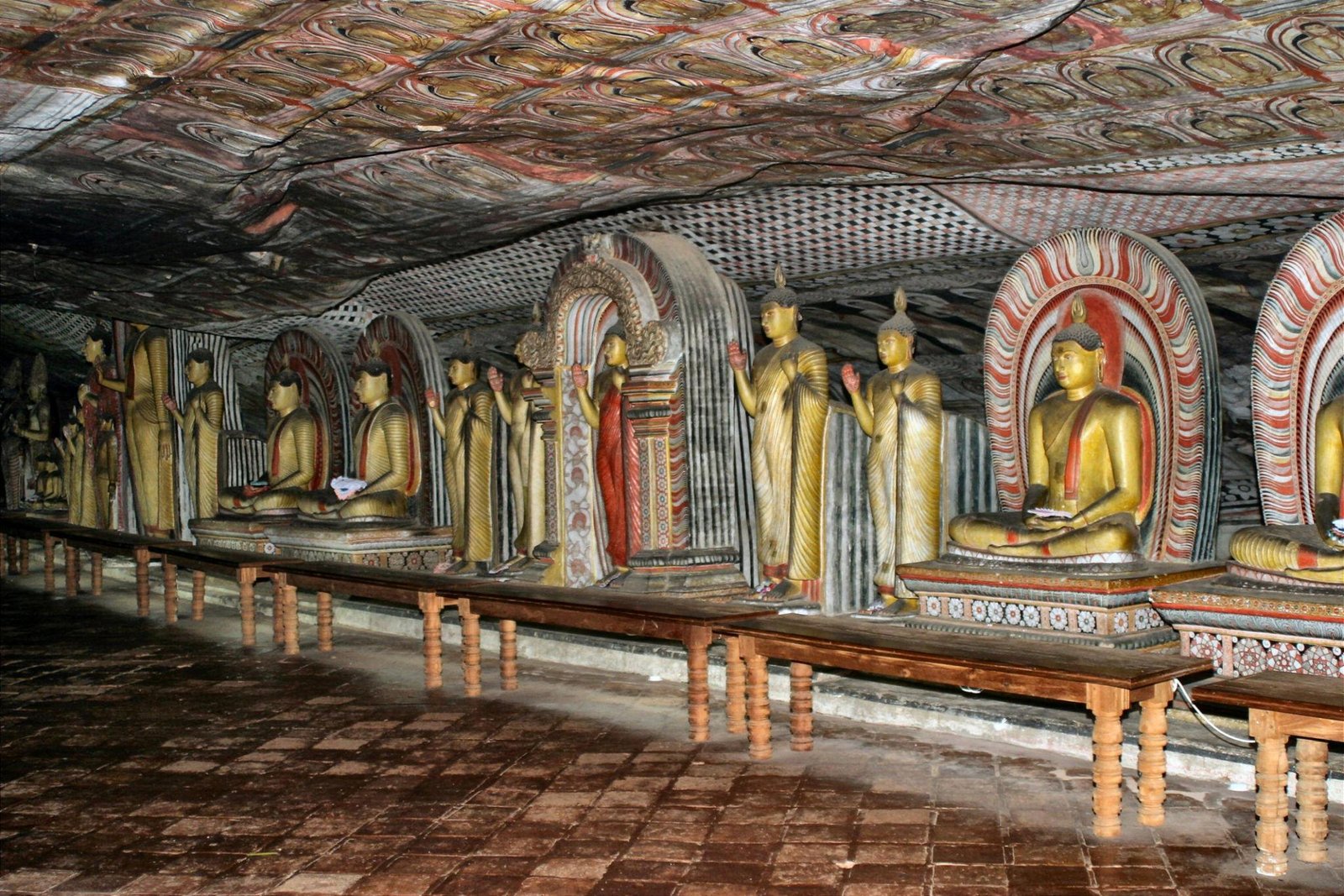
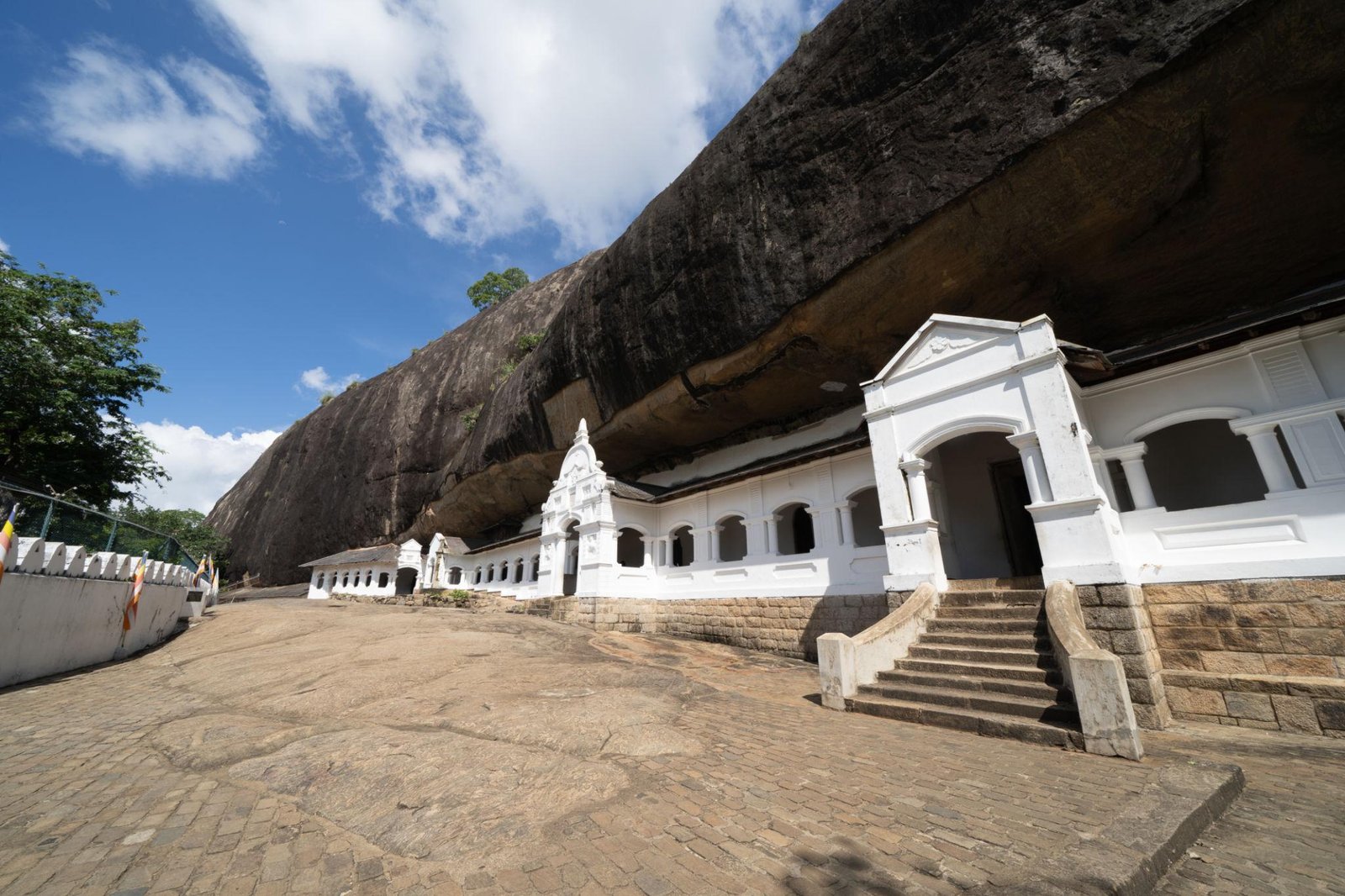
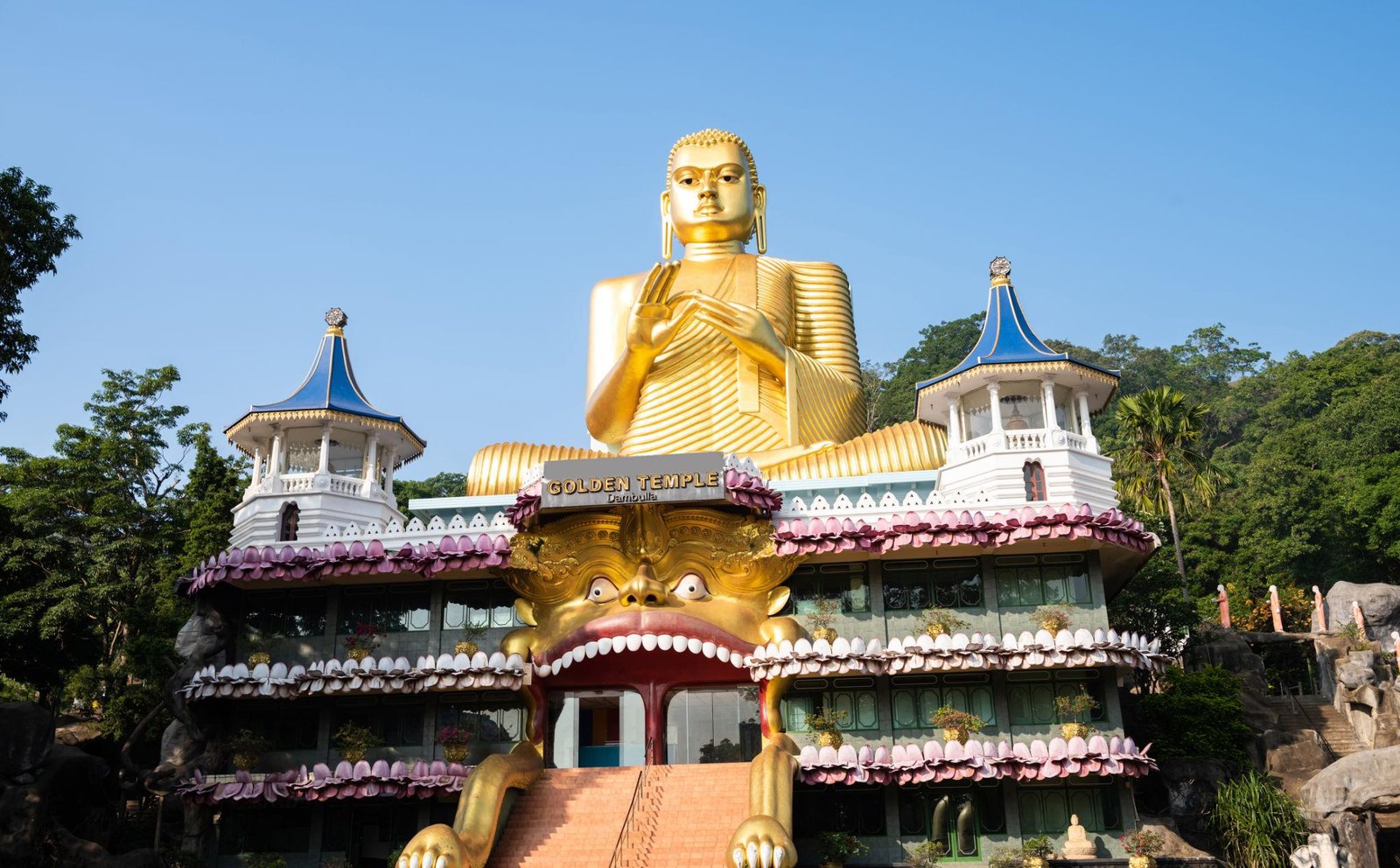
The city’s most famous attraction is the Dambulla Cave Temple, also known as the Golden Temple of Dambulla. Built in the 1st century BCE by King Valagamba, the temple complex consists of five caves carved into a massive rock, housing an extraordinary collection of Buddhist statues, murals, and sacred artifacts. These caves have been continuously used as a place of worship for more than 2,000 years.
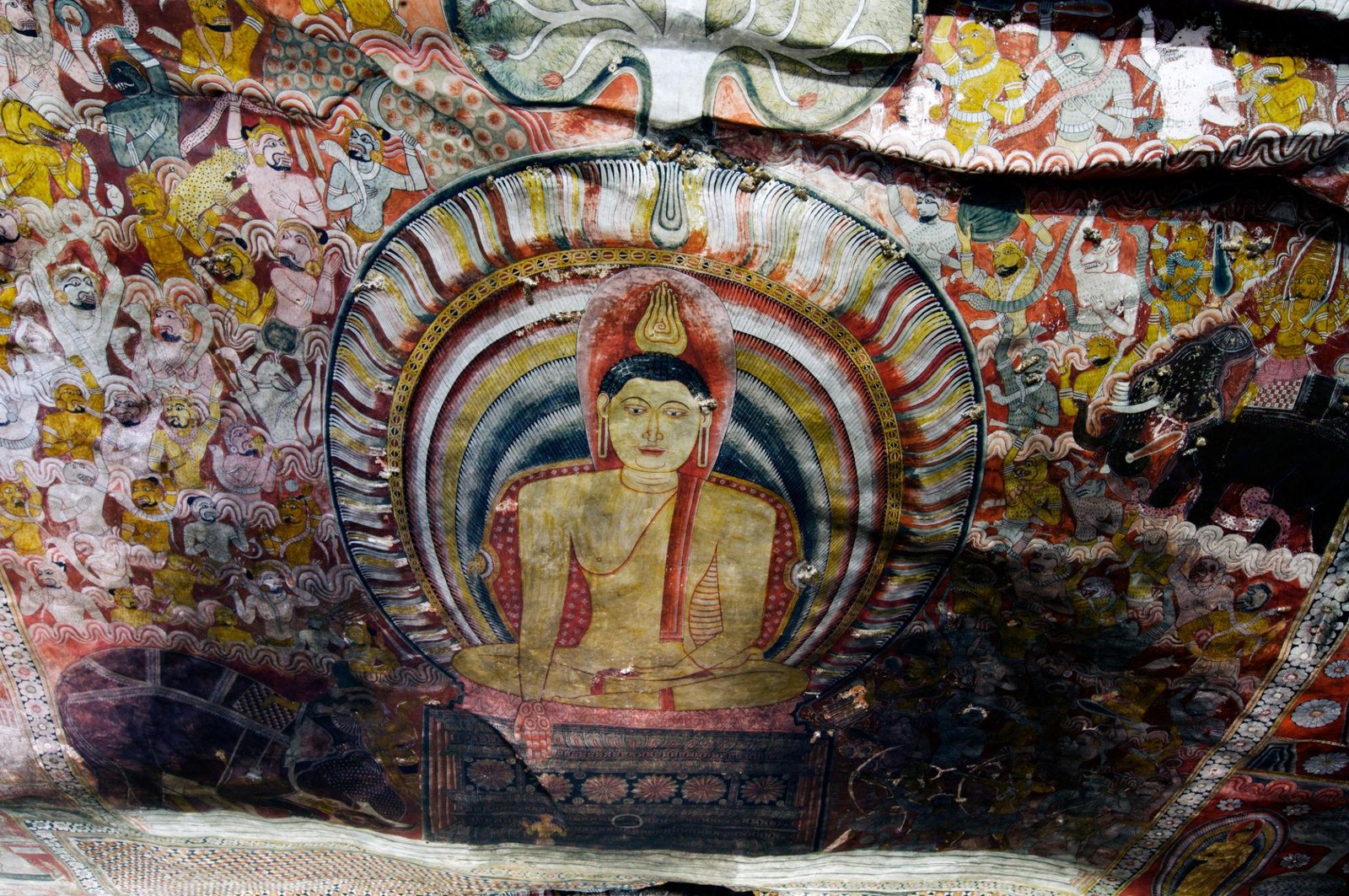
The cave complex contains over 150 statues of Lord Buddha, along with statues of Sri Lankan kings and deities. The walls and ceilings are covered with colorful murals depicting scenes from the life of Buddha and important events in Buddhist history, making it one of the largest and best-preserved cave temple complexes in Asia.
Perched atop a rock rising approximately 160 meters above the surrounding plains, the temple offers breathtaking panoramic views of the surrounding countryside, including forests, lakes, and nearby cultural landmarks. Dambulla’s strategic location has made it an important religious, cultural, and commercial center throughout Sri Lanka’s history.
In recognition of its outstanding cultural significance, the Dambulla Cave Temple was designated a UNESCO World Heritage Site in 1991. Today, it remains one of the most visited pilgrimage and tourist destinations in Sri Lanka, attracting visitors from around the world who come to admire its ancient art, architecture, and spiritual atmosphere.