Sigiriya – The Lion Rock Fortress of Sri Lanka
Key Facts About Sigiriya
- 📍 Location: Matale District, Central Province, Sri Lanka
- 🏛 Built by: King Kashyapa I (477–495 CE)
- ⛰ Height: Approximately 200 meters (660 ft)
- 🦁 Meaning: “Lion Rock”
- 🎨 Famous for: Frescoes, Mirror Wall, Lion Gate, and Water Gardens
- 🌍 Status: UNESCO World Heritage Site
- 📅 Built: 5th Century CE
Sigiriya – The Lion Rock Fortress of Sri Lanka
Key Facts About Sigiriya
- 📍 Location: Matale District, Central Province, Sri Lanka
- 🏛 Built by: King Kashyapa I (477–495 CE)
- ⛰ Height: Approximately 200 meters (660 ft)
- 🦁 Meaning: “Lion Rock”
- 🎨 Famous for: Frescoes, Mirror Wall, Lion Gate, and Water Gardens
- 🌍 Status: UNESCO World Heritage Site
- 📅 Built: 5th Century CE
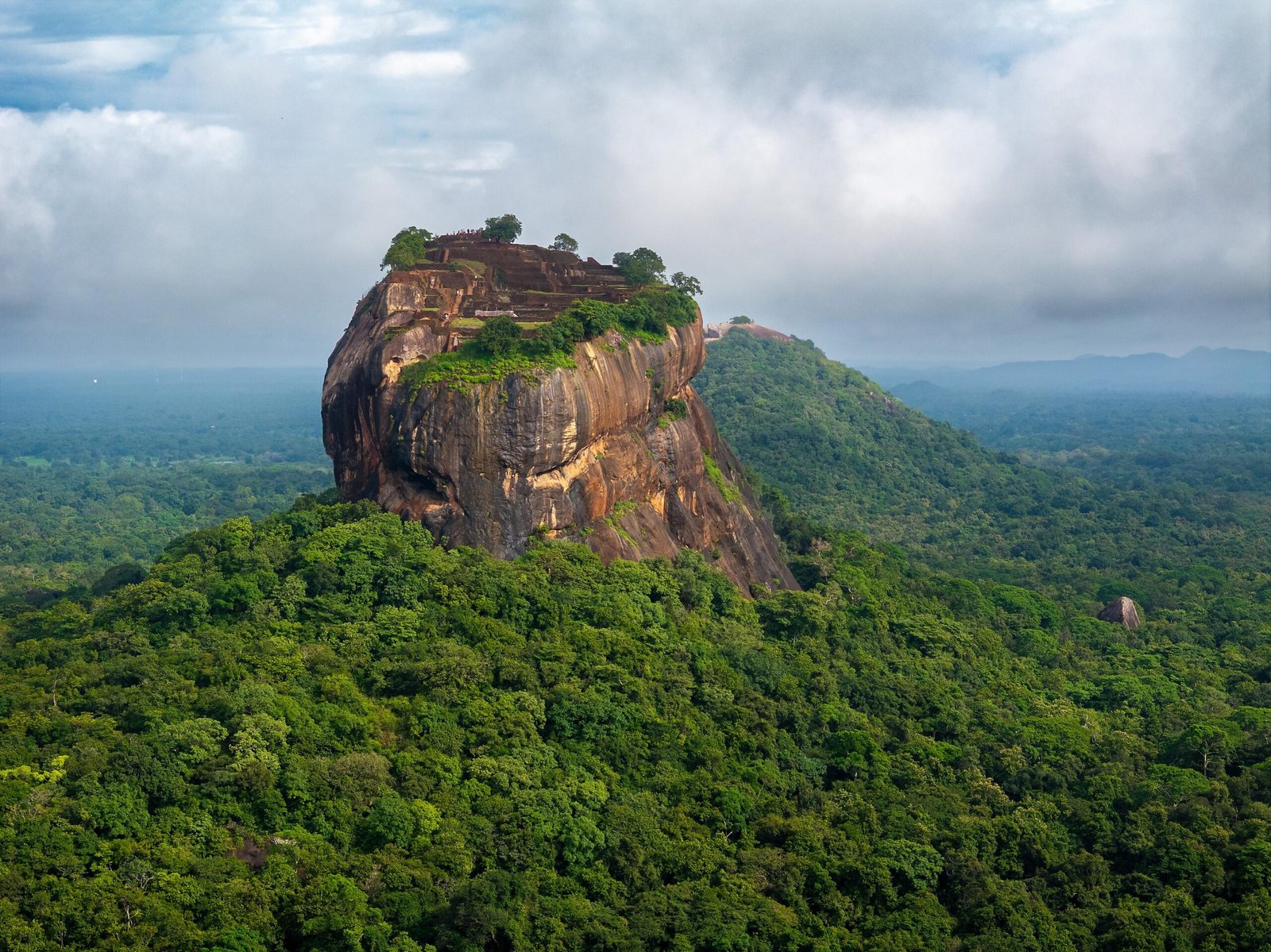
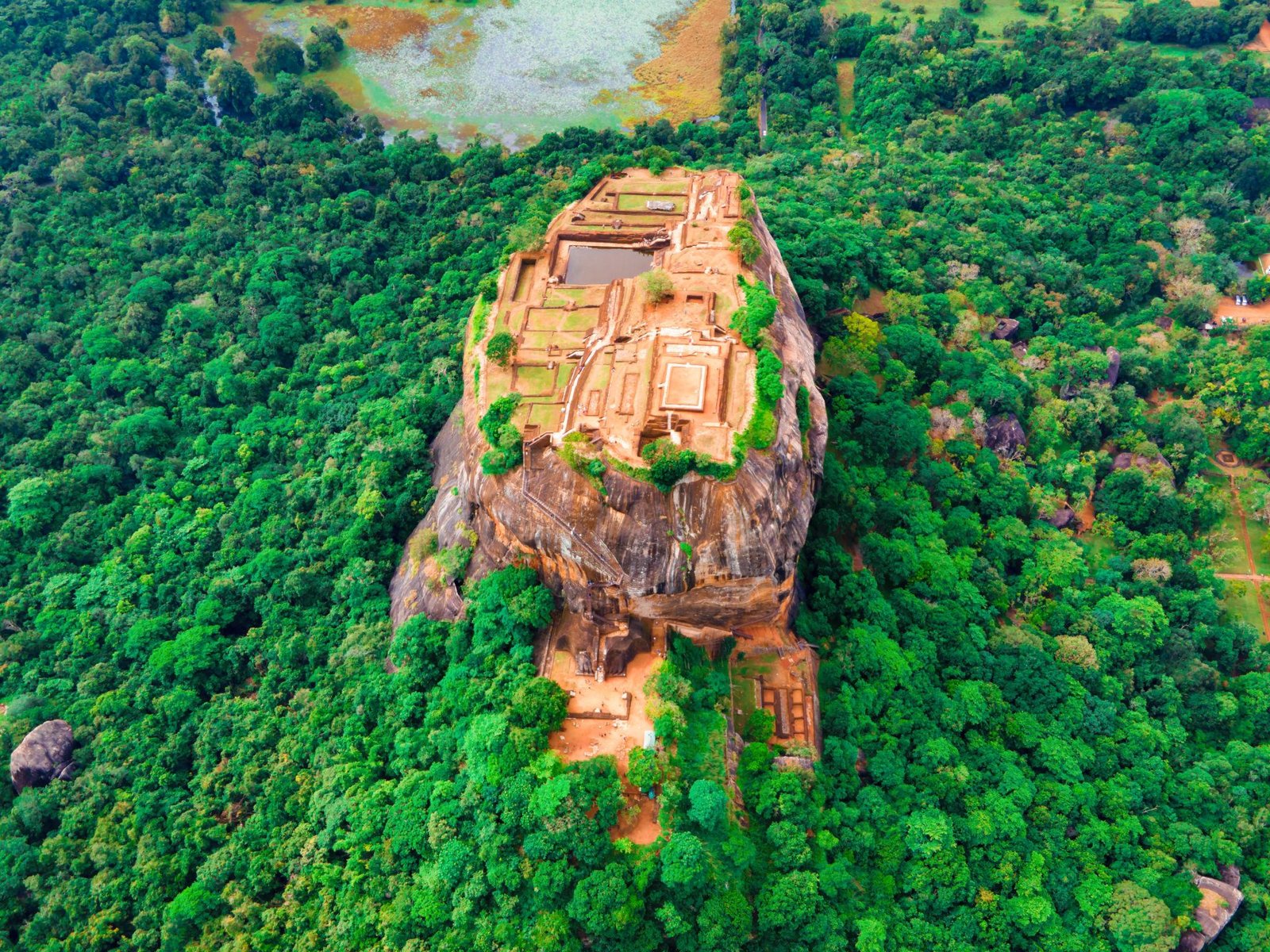
, also known as Lion Rock, is one of Sri Lanka’s most iconic historical and archaeological landmarks. Located in the Matale District near the town of Dambulla, Sigiriya is a massive granite rock fortress that rises nearly 200 meters (660 feet) above the surrounding plains.
Built during the reign of King Kashyapa I, Sigiriya served as a royal palace, military stronghold, and administrative center. According to ancient Sri Lankan chronicles, King Kashyapa chose this naturally fortified rock as the site for his new capital after seizing the throne. He transformed the summit into a magnificent palace complex complete with royal residences, gardens, reservoirs, and defensive structures.
One of Sigiriya’s most remarkable features is its sophisticated urban planning. The site includes beautifully designed water gardens, terraced gardens, and boulder gardens, showcasing advanced engineering and hydraulic technology that was far ahead of its time. Many of the water features still function during the rainy season, demonstrating the ingenuity of ancient Sri Lankan civilization.
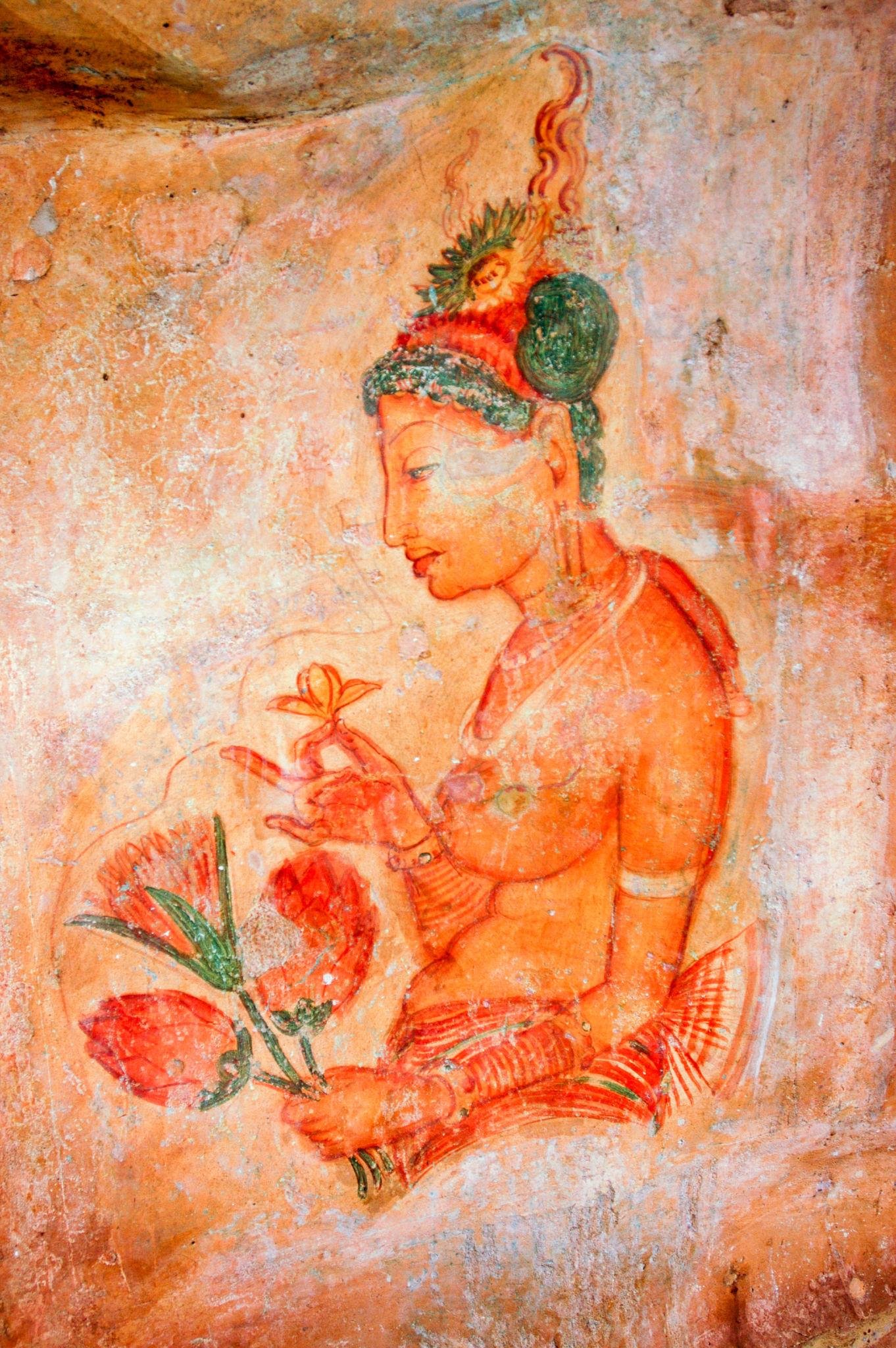
The western face of the rock is famous for its ancient Sigiriya Frescoes, colorful paintings depicting elegantly dressed women believed to be celestial maidens or royal attendants. Nearby is the Mirror Wall, a polished wall that once reflected the king’s image. The wall contains centuries-old inscriptions and poems written by visitors, providing valuable insights into Sri Lanka’s cultural history.
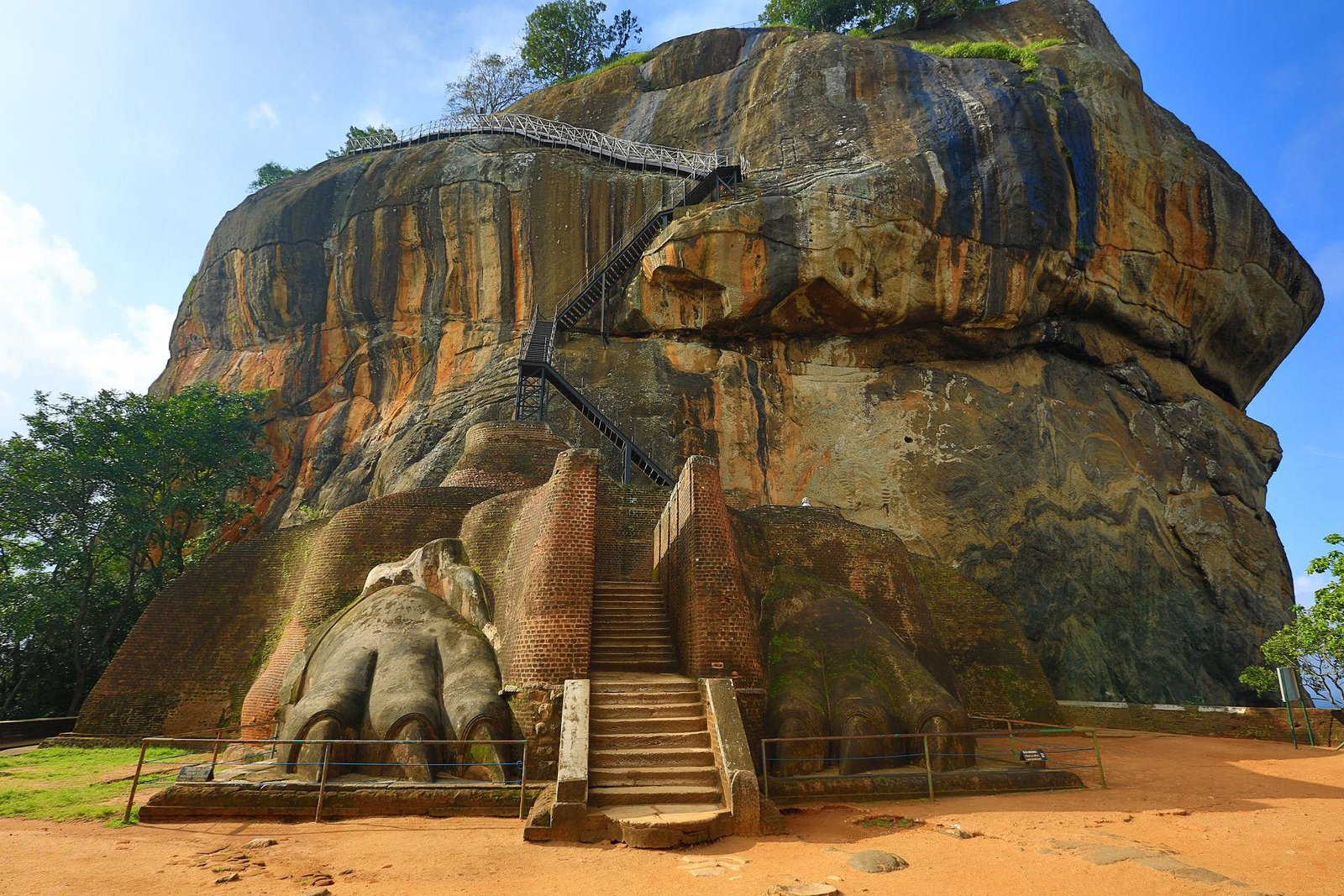
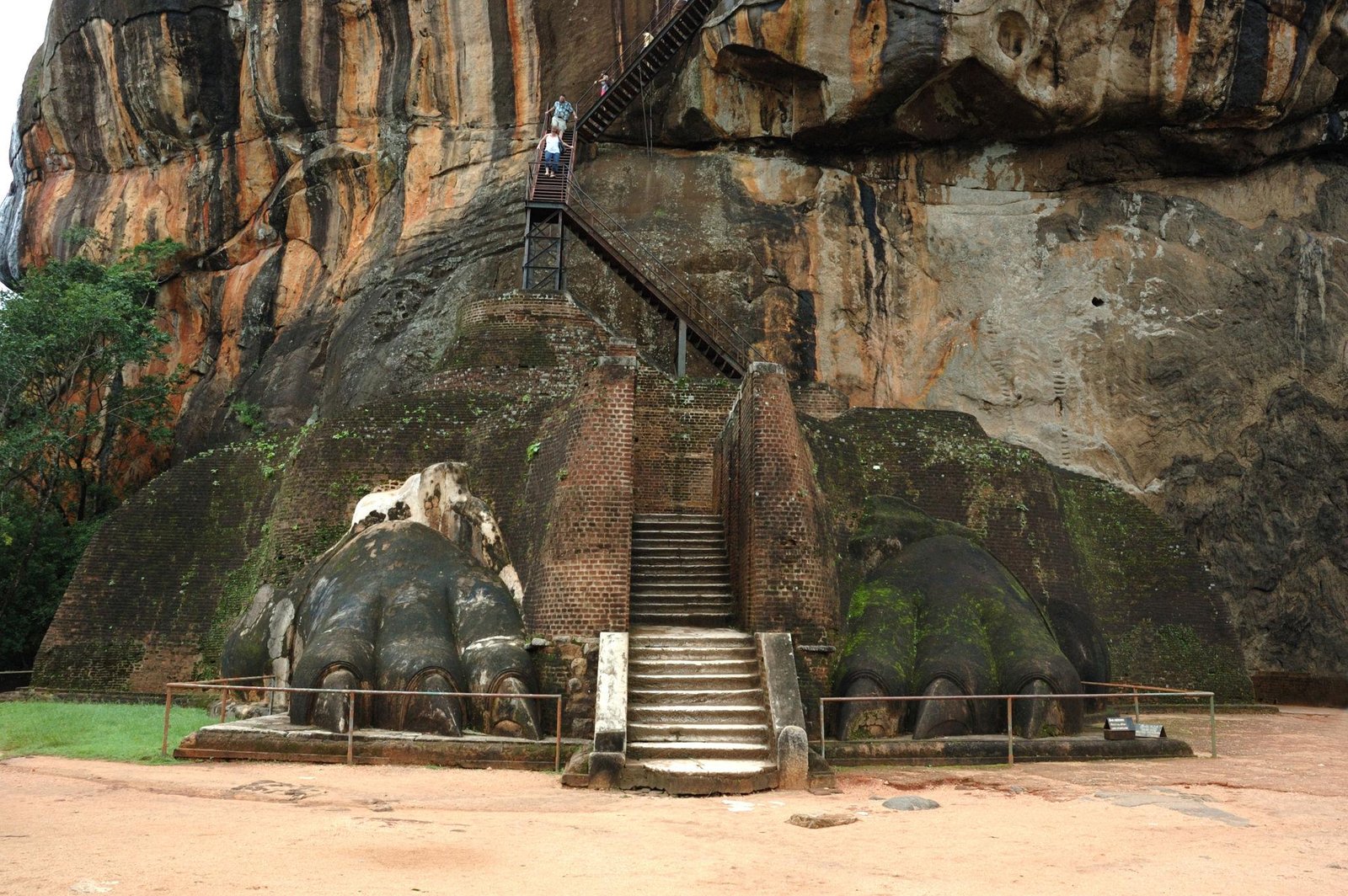
The entrance to the summit was originally built in the form of a gigantic lion, giving rise to the name “Sigiriya,” which means “Lion Rock.” Today, only the enormous lion paws remain at the entrance staircase leading to the top.
sigiriya
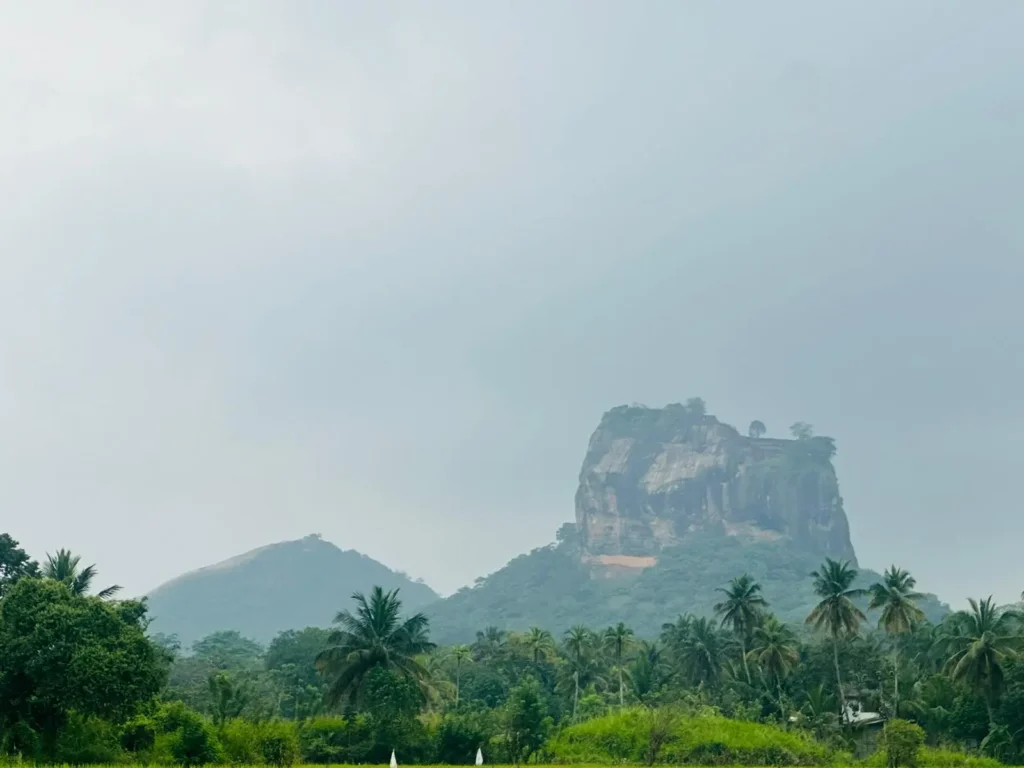
Sigiriya (Lion Rock Sinhalese: සිගිරිය, Tamil: சிகிரியா, pronounced see-gi-ri-ya) is an ancient palace located in the central Matale District near the town of Dambulla in the Central Province, Sri Lanka. The name refers to a site of historical and archaeological significance that is dominated by a massive column of rock nearly 200 metres (660 ft) high. According to the ancient Sri Lankan chronicle the Culavamsa, this site was selected by King Kasyapa (477 – 495 CE) for his new age he built his palace on the top of this rock and decorated its sides with colourful frescoes. On a small plateau about halfway up the side of this rock he built a gateway in the form of an enormous lion. The name of this place is derived from this structure — Sīhāgiri, the Lion Rock. The capital and the royal palace was abandoned after the king’s death. It was used as a Buddhist monastery until the 14th century.
Sigiriya today is a UNESCO listed World Heritage Site. It is one of the best preserved examples of ancient urban planning. It is the most visited historic site in Sri Lanka.